
Why South Korea Is the Most Important E-Commerce Market Most People Ignore
Dense, digital, demanding — and a decade ahead on what matters next

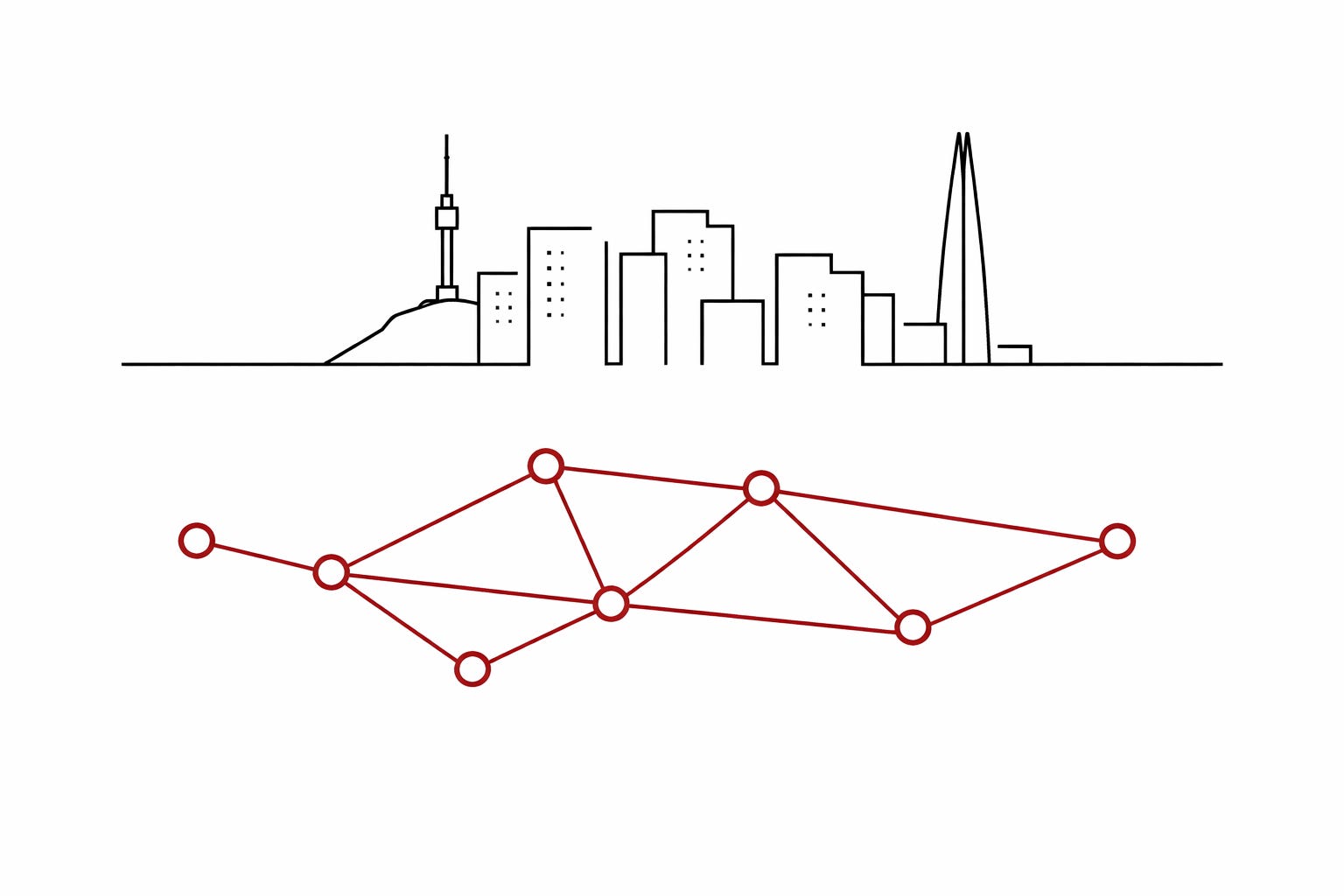
When people in the global commerce industry talk about markets that matter, the list is predictable. The United States for scale. China for speed and volume. Southeast Asia for growth. India for the next billion consumers.
South Korea rarely makes the list. When it does, the description is brief: small country, fast internet, good delivery. Then the conversation moves on.
That is a mistake. Not because Korea is the biggest or most profitable market. But because it is one of the first places where the next phase of commerce competition became clearly visible — and the rest of the world has not caught up to what it revealed.
The Standard Story Is Too Small
Korea is a roughly $200 billion e-commerce market packed into a country smaller than Indiana. Smartphone penetration is among the highest on earth. Online grocery is mainstream. Delivery is dense, fast, and cheap — on enterprise terms, often around KRW 2,000 per parcel, roughly US$1.50.
All of that is true, and none of it is the point.
The standard profile makes Korea sound like an interesting outlier. A local story with local relevance. But that reading confuses the symptoms with the mechanism.
Korea is not interesting because it is fast. Korea is interesting because it is one of the first markets where speed stopped being enough — and competition had to move somewhere deeper.
What Actually Made Korea Different
Many places are digital. Many cities are dense. Many consumers are demanding. What made Korea distinctive was that several conditions converged at once and changed the economics of execution.
Density was not just demographic — it was operational. Demand happened in tight clusters across short distances. A single courier could deliver dozens of packages within one apartment complex. Speed and cost stopped fighting each other — higher order concentration made routing more efficient and strengthened the economics of repetition. Mobile commerce did not just add a channel — it changed the rhythm of shopping toward compression and repeat behavior. And customer expectations pushed competition past the surface layer into operational territory: timing, recovery, responsibility, reliability.
These conditions reinforced each other. The result was a market where execution — the ability to carry a transaction through fulfillment, delivery, returns, and repeat purchase — became a genuine source of strategic advantage earlier than anywhere else.
Why the Lessons Travel
The natural objection is that Korea’s conditions are unique and the lessons do not apply elsewhere.
That objection is correct on the surface and wrong on the substance.
The specific conditions are Korean. The underlying logic is not. In every market, digital commerce is gradually maturing from novelty into routine. The first phase rewards companies that attract attention. The next phase rewards companies that make ordinary buying easier to repeat.
Korea reached that inflection point first because its conditions accelerated the process. But any market that becomes sufficiently dense, digital, and demanding will face the same structural question: once fast delivery and wide selection are table stakes, what determines which platform becomes part of daily life?
That question is arriving in other markets now — just more slowly and less visibly.
What Korea Actually Revealed
Seen through this lens, Korea looks different from the way most people describe it. Fast delivery becomes evidence of a dense operating environment, not the advantage itself. Customer impatience becomes market pressure, not a cultural stereotype. Returns become part of routine commerce, not a back-office afterthought.
The deeper lesson: in Korea, the decisive contest moved below the app — past traffic, past conversion, past checkout, and into the execution layer. The companies that recognized this built a different kind of advantage. The ones that did not kept competing on the visible surface and gradually lost ground.
One company moved further into execution than the others. It integrated fulfillment, delivery, returns, and operational responsibility more deeply than its rivals. How it did that, what it actually built, and why the result has been so difficult to replicate — that is the longer analysis.
The full structural case — from Korea’s market conditions to the company that built the strongest execution system inside it — is in K-Commerce Endgame, available on Amazon Kindle.